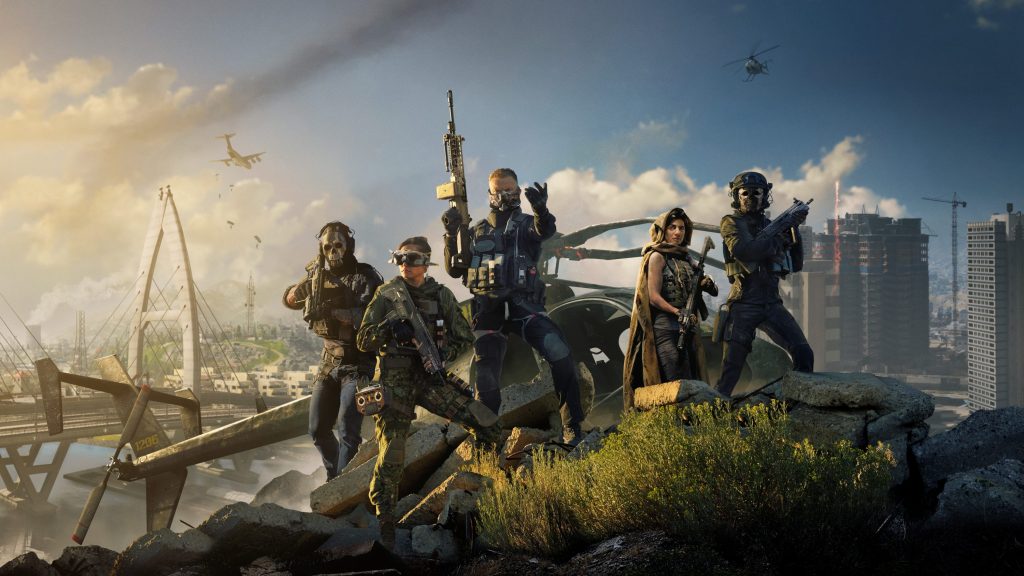
Why does it cost some companies hundreds of millions of dollars to develop a popular video game?
A couple weeks ago, The New York Times blamed the never-ending quest to deliver more photo-realistic graphics — and it suggested the industry is beginning to see diminishing returns, leading to layoffs and studio closures.
However, Bloomberg’s Jason Schreier argues this analysis is “a little bit off the mark.” He doesn’t deny that budgets have grown dramatically ($20 million for Naughty Dog’s “Uncharted 2” in 2009 vs. $220 million for their “Last of Us Part II” in 2020) or that graphics play a role, but he said it really boils down to needing bigger teams for longer periods of time — due to improved graphics, yes, but also the growing scope of games.
Plus, he writes that “everyone” who’s spent at least a few years in the industry has “their own horror story” about management decisions like “feature that gets canceled because the CEO’s teenage kid didn’t like it” or teams of hundreds of people “floundering in pre-production as they try to figure out what a game’s ‘core loop’ will actually look like.”
So if game companies are really worried about ballooning budgets, Schreier says they should focus their “introspection” on mismanagement that can end up wasting everyone’s work and time.
Why does it cost some companies hundreds of millions of dollars to develop a popular video game?
A couple weeks ago, The New York Times blamed the never-ending quest to deliver more photo-realistic graphics — and it suggested the industry is beginning to see diminishing returns, leading to layoffs and studio closures.
However, Bloomberg’s Jason Schreier argues this analysis is “a little bit off the mark.” He doesn’t deny that budgets have grown dramatically ($20 million for Naughty Dog’s “Uncharted 2” in 2009 vs. $220 million for their “Last of Us Part II” in 2020) or that graphics play a role, but he said it really boils down to needing bigger teams for longer periods of time — due to improved graphics, yes, but also the growing scope of games.
Plus, he writes that “everyone” who’s spent at least a few years in the industry has “their own horror story” about management decisions like “feature that gets canceled because the CEO’s teenage kid didn’t like it” or teams of hundreds of people “floundering in pre-production as they try to figure out what a game’s ‘core loop’ will actually look like.”
So if game companies are really worried about ballooning budgets, Schreier says they should focus their “introspection” on mismanagement that can end up wasting everyone’s work and time.